
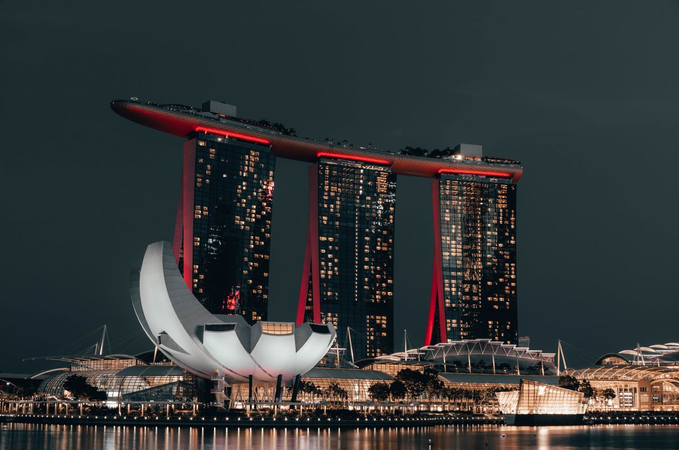
Moving to Singapore for the first time can feel both exciting and overwhelming, as the city offers a unique blend of career opportunities, cultural diversity, and an exceptionally efficient way of life. Beyond finding a job and a place to live, many newcomers quickly begin learning about long-term settlement options and the steps involved in building a future in the country. This is why a pr application agency often becomes part of an expat’s research, especially for those considering making Singapore more than a temporary destination. Understanding how daily life, work culture, and immigration pathways fit together can make the transition smoother and help first-time expats settle in with greater confidence.
Understanding the Cost of Living and Housing
One of the first things new expats notice about Singapore is its relatively high cost of living. Housing is often the largest expense, particularly for those who prefer living in central districts or near major business areas. Rental prices can vary significantly depending on the property’s size and location. Beyond accommodation, everyday expenses such as transportation and food can be more manageable due to the country’s efficient public systems and wide range of dining options. Understanding living costs before relocating helps expats create realistic financial expectations and adjust more comfortably to their new environment.
Adapting to Singapore’s Workplace Culture
Singapore’s work environment is known for its professionalism, efficiency, and multicultural nature. Businesses often employ people from different nationalities and backgrounds, creating diverse workplaces where collaboration and respect are highly valued. Punctuality and professionalism are generally expected, and many industries operate in fast-paced, competitive environments. At the same time, workplace culture often reflects a blend of Asian and international business practices. For first-time expats, understanding these cultural dynamics can make professional integration smoother and help build stronger relationships with colleagues and employers.
Navigating Daily Life and Public Infrastructure
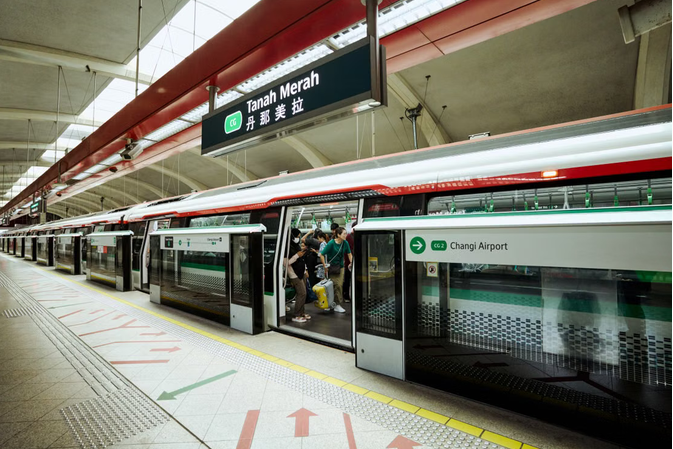
One of the biggest advantages of living in Singapore is the quality of its public infrastructure. The transportation system is efficient, enabling quick, convenient travel across the city without relying heavily on private vehicles. Public services, healthcare facilities, and digital systems are also well organized, contributing to a high level of convenience in everyday life. The country’s compact size means that essential services and recreational areas are generally easy to access. This strong infrastructure helps reduce many of the challenges that people often face when relocating to a new country.
Experiencing Singapore’s Multicultural Environment
Singapore is widely recognized for its multicultural society, where different ethnic communities and traditions coexist within a relatively small geographic area. This diversity is reflected in the country’s food, festivals, languages, and neighborhoods. English is widely spoken and serves as a common language for business and everyday communication, which makes it easier for many expatriates to adapt. The multicultural environment also offers opportunities to experience diverse customs and perspectives while building connections with residents and other international communities.
Building a Long-Term Life in Singapore
For many expatriates, Singapore becomes more than a temporary work destination and gradually develops into a long-term home. The country’s stable economy, efficient systems, and international outlook create an environment where individuals and families can establish routines and pursue professional growth. While adjusting to a new culture and cost of living may take time, many expats appreciate the balance between career opportunities and quality of life that …