
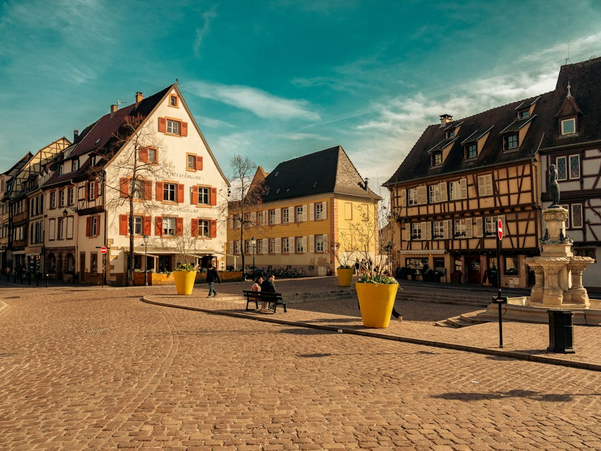
Many travelers visiting Europe once focused mainly on famous cities such as Paris, Rome, and Barcelona. While these destinations remain popular, crowded streets, expensive accommodations, and long tourist lines have encouraged some travelers to search for quieter alternatives. Small European towns are gaining attention because they provide slower environments, scenic surroundings, and more peaceful travel experiences. Understanding why quiet European towns are becoming more attractive helps explain changing travel priorities among modern travelers.
Hallstatt
Located beside Hallstätter See in Austria’s Salzkammergut region, Hallstatt offers a calm atmosphere surrounded by mountains and lakes. Unlike larger European capitals, this small lakeside town focuses more on scenery and slower daily routines. Travelers often spend time walking along the waterfront, visiting local cafés, and exploring narrow village streets. The peaceful environment attracts visitors looking for relaxation rather than busy nightlife or crowded attractions. Its natural setting creates a quieter travel experience that feels very different from major tourist cities.
Giethoorn
Giethoorn is often called the “Dutch village without roads” because many areas are connected mainly by canals and walking paths. Located in the province of Overijssel in the Netherlands, this small village offers calm surroundings and slower transportation through boat travel and cycling. Visitors often enjoy the peaceful atmosphere created by waterways, small bridges, and traditional Dutch homes. Without heavy city traffic and large tourist crowds, the destination feels more relaxing and less overwhelming for travelers.
Rovinj
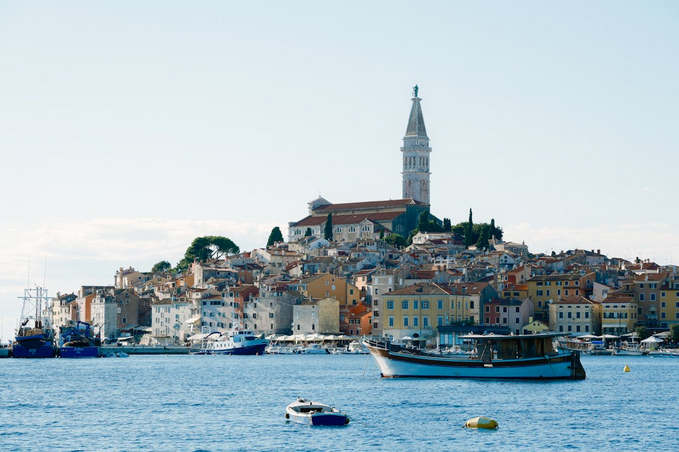
Situated on the Adriatic coast of Croatia, Rovinj combines seaside scenery with a slower coastal atmosphere. Unlike heavily crowded Mediterranean beach cities, Rovinj offers quieter streets, colorful buildings, and scenic waterfront views. Travelers often spend time enjoying local seafood restaurants, walking through the old town, or relaxing near the harbor. Its smaller size helps create a more peaceful travel environment while still providing cultural and coastal experiences.
Kotor
Kotor sits along the Bay of Kotor and is surrounded by mountains and medieval architecture. While the destination has become increasingly recognized internationally, it still provides quieter surroundings compared to many larger European coastal cities. Travelers often enjoy walking through the old town, exploring stone alleyways, or viewing the bay from nearby hiking trails. The combination of coastal scenery and historic charm creates a peaceful atmosphere that appeals to slower travelers.
Colmar
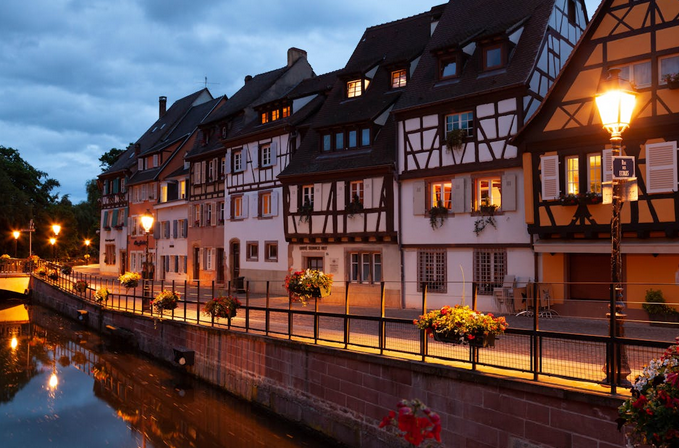
Located in northeastern France near the German border, Colmar is known for its traditional architecture, canals, and quiet streets. The town offers a slower atmosphere compared to larger French tourism centers. Visitors often explore local bakeries, markets, and colorful historic neighborhoods on foot. Colmar’s relaxed pace allows travelers to enjoy cultural experiences without constantly navigating large crowds or heavy transportation systems. Its smaller setting creates a more comfortable and intimate travel experience for many visitors.
Český Krumlov
Located in the southern Czech Republic, Český Krumlov offers medieval architecture, riverside scenery, and a slower pace of tourism. The town is smaller and quieter than larger cities such as Prague, making it attractive for travelers seeking calmer surroundings. Visitors often spend time exploring castles, riverside cafés, and narrow cobblestone streets without the pressure of fast-moving tourist crowds. Its relaxed atmosphere makes it ideal for travelers interested in slower cultural experiences.
Quiet European towns are becoming popular alternatives to busy tourist cities because many travelers now value slower experiences, scenic surroundings, and reduced stress during vacations. Destinations such as Hallstatt, …